

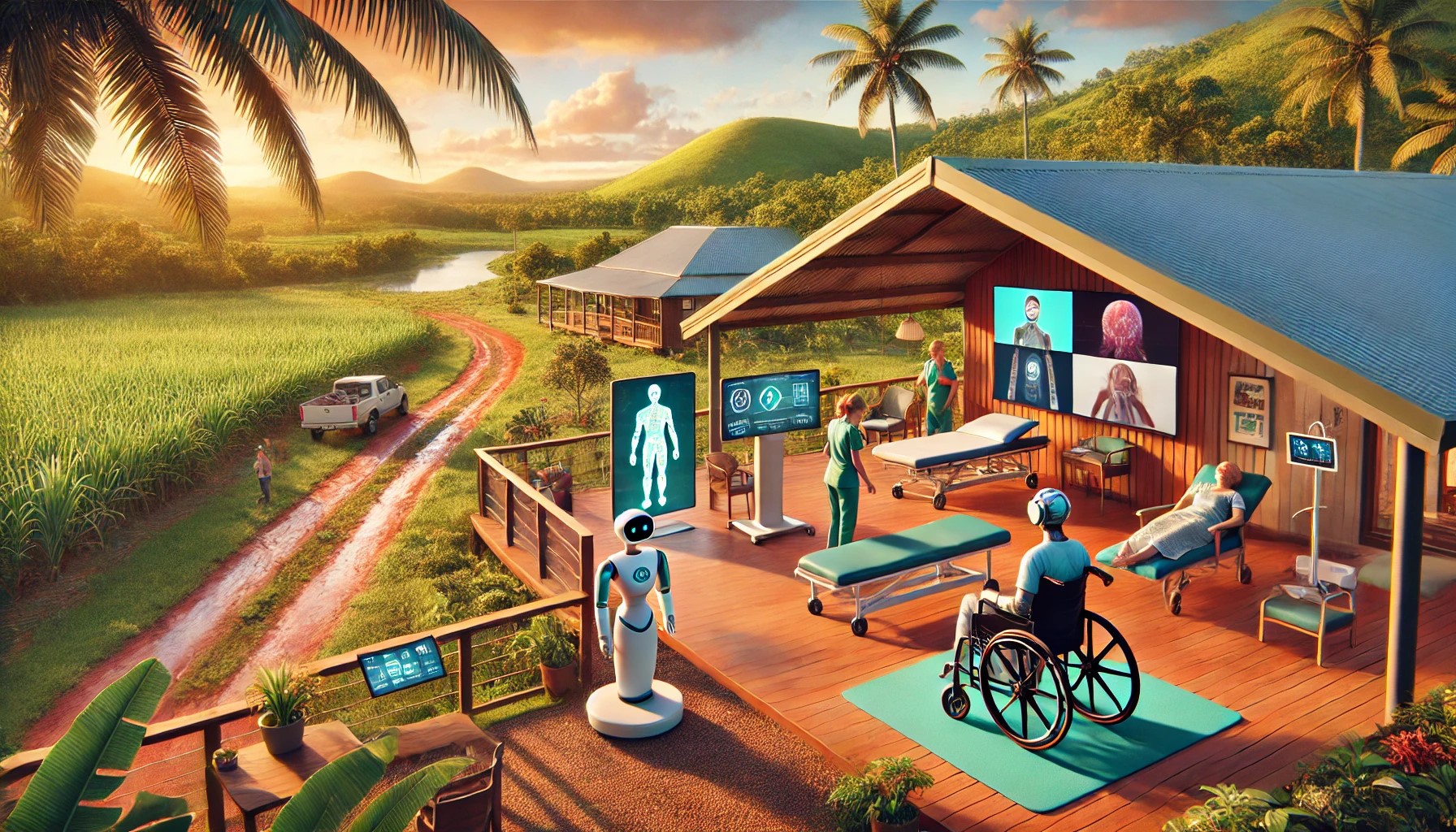
Adopting, implementing, and sustaining digital health in rural and remote Australia
Digital health is increasingly central to addressing access, workforce, and service delivery challenges in rural, regional, and remote Australia. While investment in telehealth and digital care has expanded rapidly, outcomes remain inconsistent, with many initiatives failing to embed, scale, or sustain beyond pilot phases. This paper presents evidence on what successful digital health looks like across adoption, implementation, and long-term sustainment in rural and remote contexts.
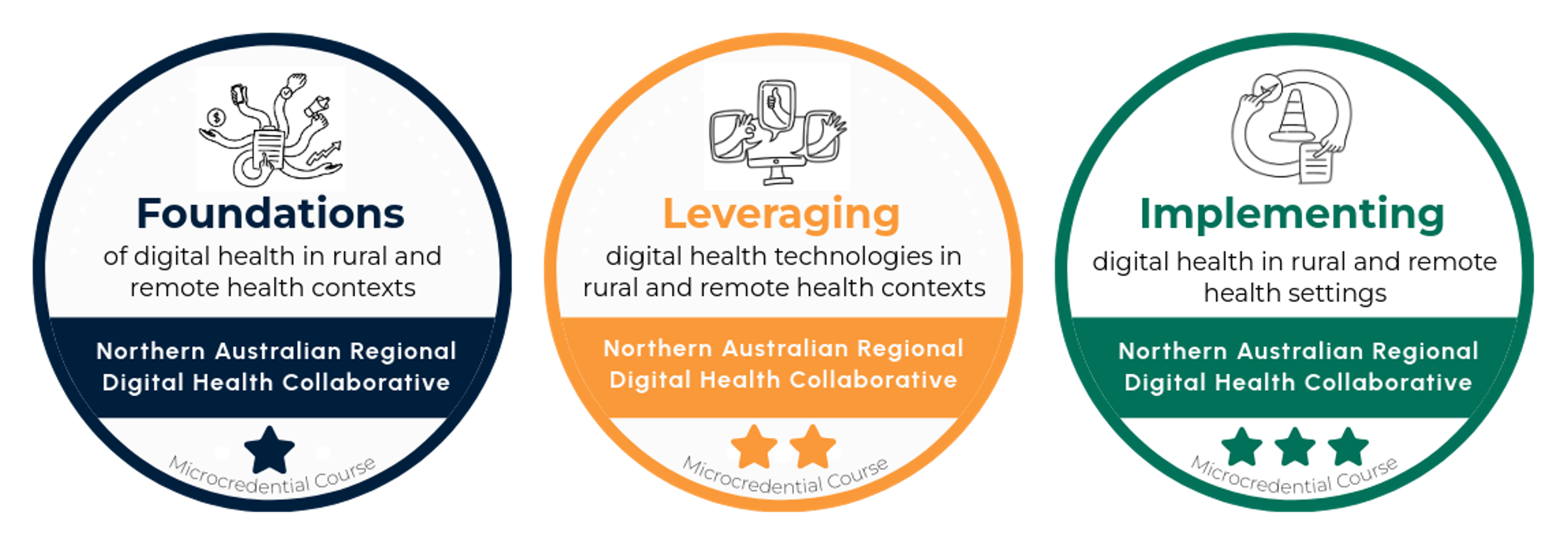
Building a digitally enabled rural and remote health workforce: NARDHC at the CRCNA Conference
A/Professor Michelle Krahe presented on NARDHC’s digital health microcredential course, designed to strengthen the capability of healthcare workers in rural and remote regions. The course covers digital health foundations, emerging technologies, and implementation strategies that are tailored specifically to the realities of isolated practice. Early feedback highlights its accessibility, relevance, and practical application in clinical settings.

Telehealth in residential aged care: lessons from regional Queensland
This evaluation explored early telehealth use in two regional aged care homes in Queensland. Findings highlight strong leadership and workflow integration as enablers, with workforce challenges and policy gaps as barriers. Telehealth proved valuable alongside in-person care. Insights support future implementation across rural and remote aged care settings.
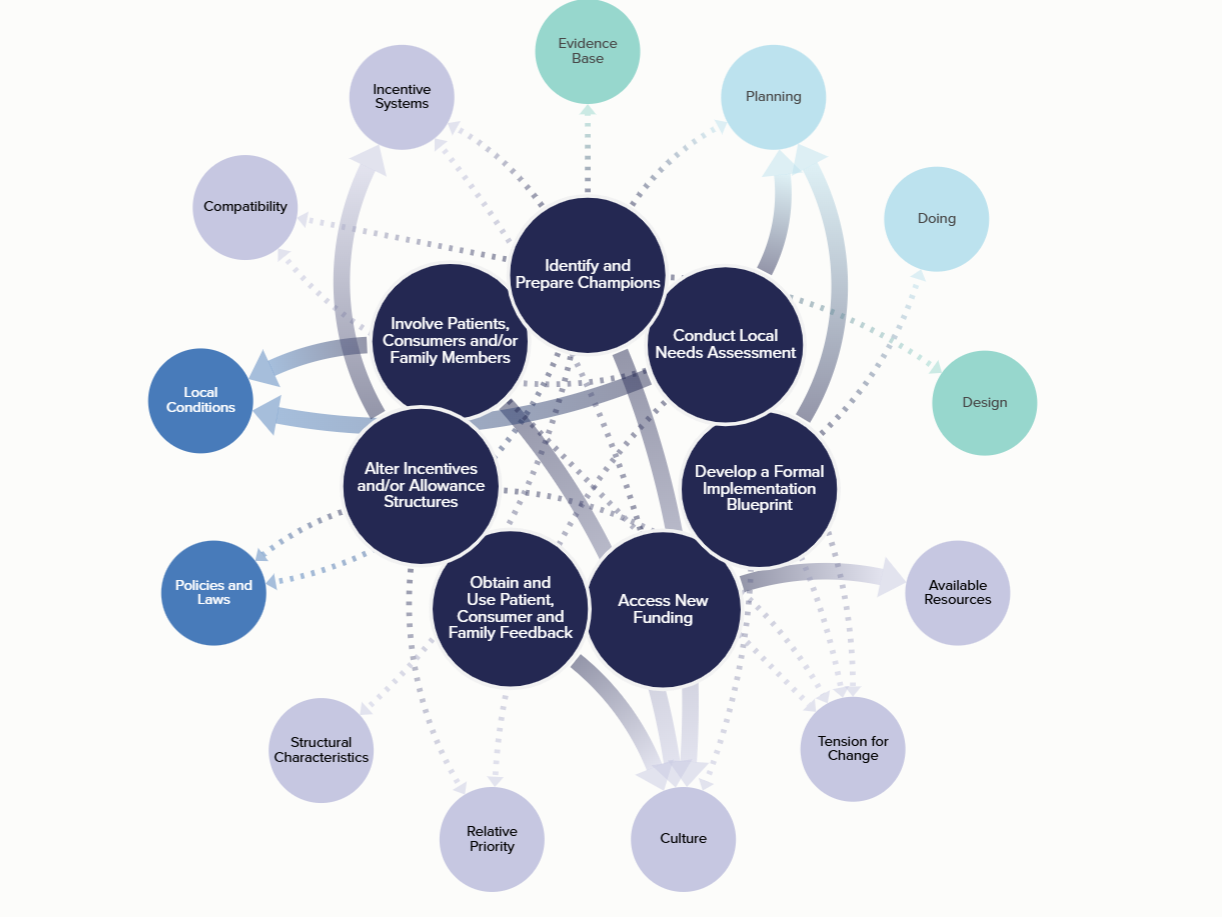
What works for digital health in rural and remote Australia?
Digital health has huge potential to improve healthcare access in RRR Australia but knowing what actually works is key. This study explores the key factors that help or hinder success, revealing the importance of local leadership, community-fit solutions, and well-planned implementation. Drawing on implementation science, we offer practical strategies to overcome barriers. Check out our interactive evidence map to dive deeper into the findings.

Unlocking digital solutions for disability and rehabilitation care
Australia’s shift towards people-centered healthcare relies on seamless collaboration across disability and rehabilitation services. However, outdated systems hinder communication, coordination, and continuity of care – especially in rural and remote areas, where fragmented service delivery and workforce shortages compound these challenges. This report explores solutions to enhance digital infrastructure in FNQ.
Enhancing health services through digital innovation
Imagine a Northern Australia where healthcare is accessible, effective, and tailored to the unique needs of rural and remote communities, enabling all individuals to lead healthy and fulfilling lives.

Mind the gap! Digitally enabled health care for Northern Australia
Professor Sarah Larkins was a plenary speaker at the HSR conference – Health Services Research in the Digital Age, discussing collaborative efforts in Northern Australia to reduce inequalities, enhance digital readiness, and promote a more inclusive healthcare landscape.
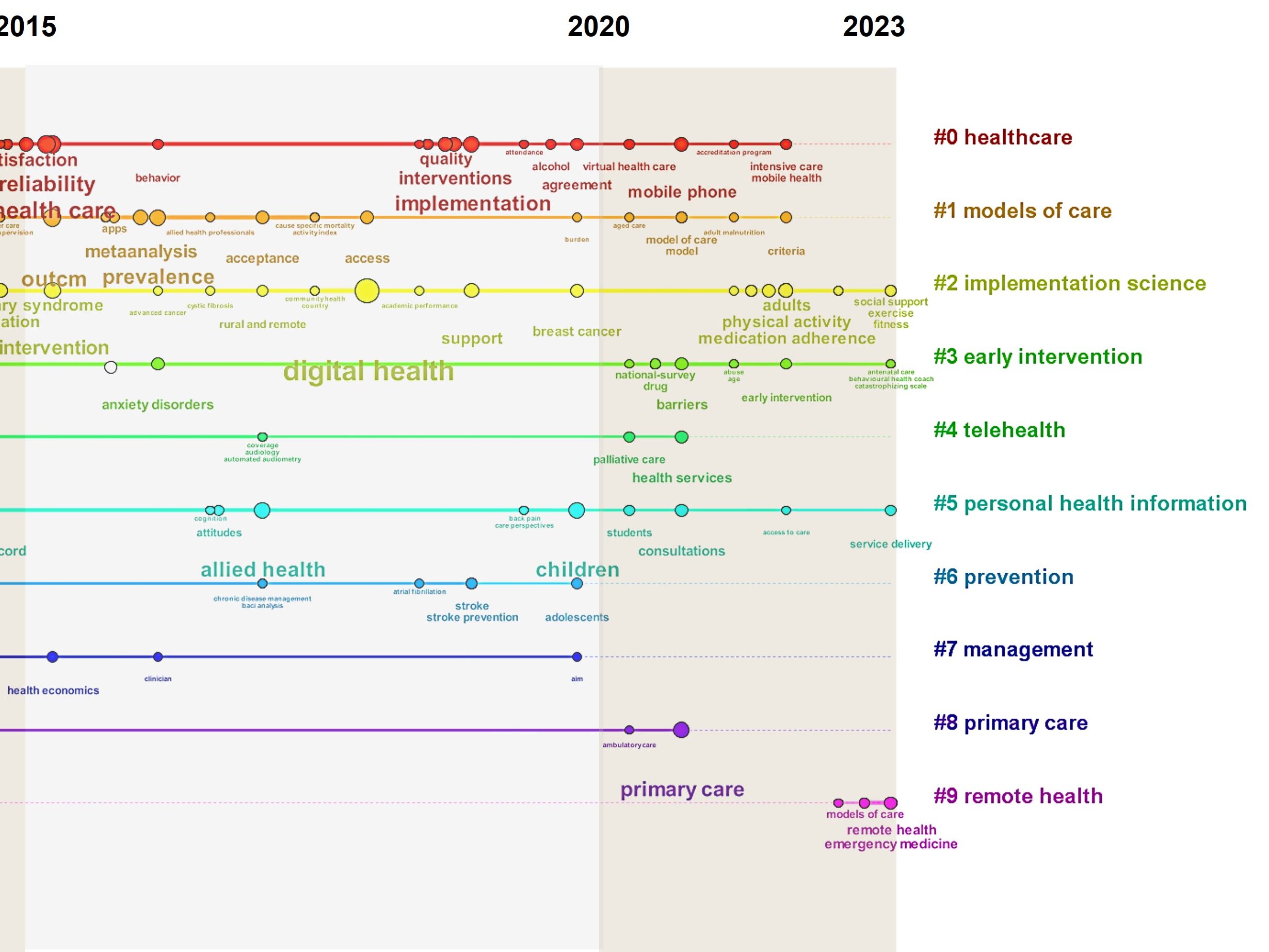
Digital health implementation research in Australia
Our latest study provides a comprehensive overview of digital health implementation research in Australia, focusing on key trends and their implications for healthcare delivery in rural and remote communities.

Interoperability – more than a buzz word
In a world where patient data is fragmented across multiple providers, the ability to exchange information meaningfully is crucial. Unlock the potential of seamless healthcare with interoperability.

Interoperability and Rheumatic Heart Disease
A National Acute Rheumatic Fever register ensures effective treatment tracking, leveraging interoperability to improve patient outcomes and prevent heart damage.

Unlocking digital health in North Australia
Discussions with key stakeholders in Northern Australia provide us with a valuable understanding of the challenges and opportunities facing digital health innovation in rural, regional, and remote areas.